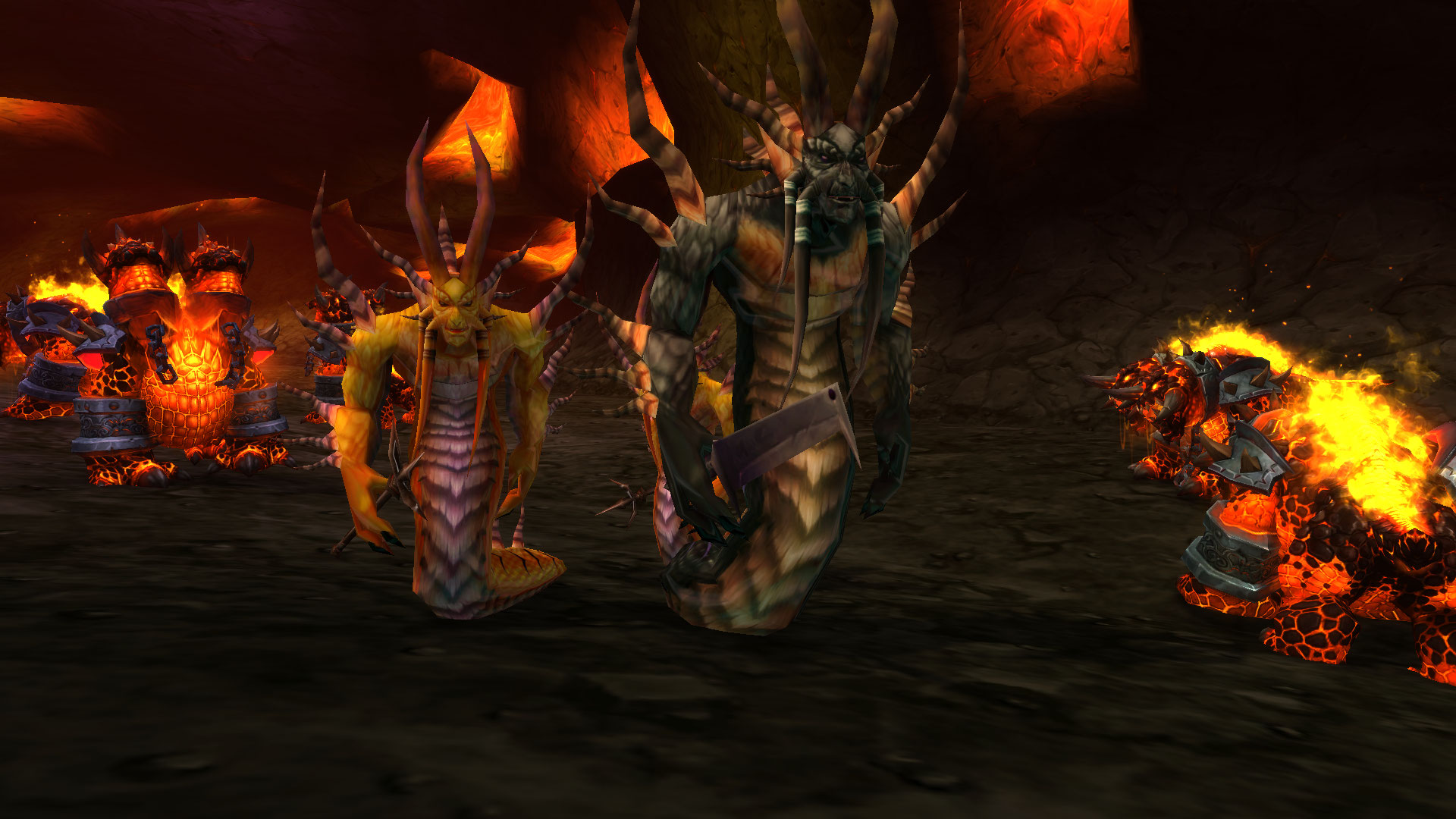
In high-stakes encounters, the way the entire group navigates the fight space is crucial for maximizing efficiency. The Efficiency of Group Movement—the coordinated use of short, precise steps to reposition—is the essential **Time Saver**. This efficiency separates teams executing **Tight Clustering**—moving together seamlessly—from those suffering **Sprawling Displacement**—where players scatter, disrupt formation, and waste precious time.
This analysis details the protocol for cohesive group movement, the role of positional awareness, and the high cost of allowing formation integrity to break down.
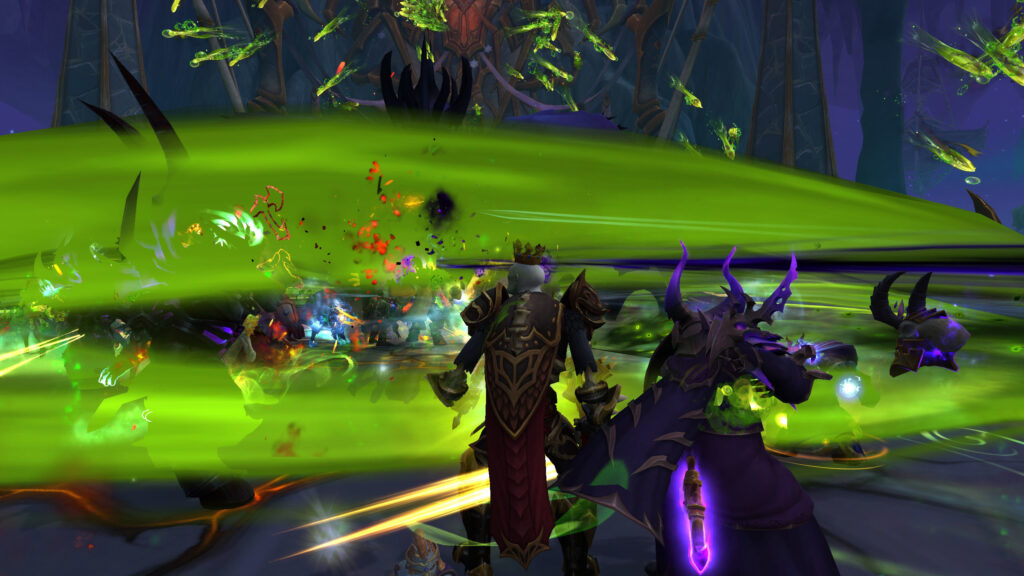
The Standard of Tight Clustering
**Tight Clustering** is necessary for maximizing cleave damage (Boss Positional Hold), ensuring healers maintain Line-of-Sight (LOS) to the entire raid, and simplifying mechanic execution (e.g., damage splitting). The **Time Saver** is achieved by eliminating unnecessary travel distance between old and new anchor points.
**Sprawling Displacement** occurs when players fail to maintain proximity, causing the tank to lose aggro on loose mobs, healers to lose LOS, and AoE damage to be scattered, resulting in a breakdown of raid cohesion.
Group Movement Protocol
Efficient movement relies on immediate, synchronized response to the “Move Call” from the Shotcaller:
- Preemptive Staging: Tank pre-stages the new anchor point based on the **Raid Encounter Positional Rotation**.
- Synchronized Shift: The entire raid moves simultaneously, utilizing **Movement Efficiency** tools (micro-steps, instant casts) to minimize rotational interruption.
- Formation Hold: Players must maintain the **Integrity of Raid Spacing** (e.g., the 8-yard rule for spreading) even while moving, preventing **Raid-Wide Contamination**.
The Cost of Sprawling Displacement
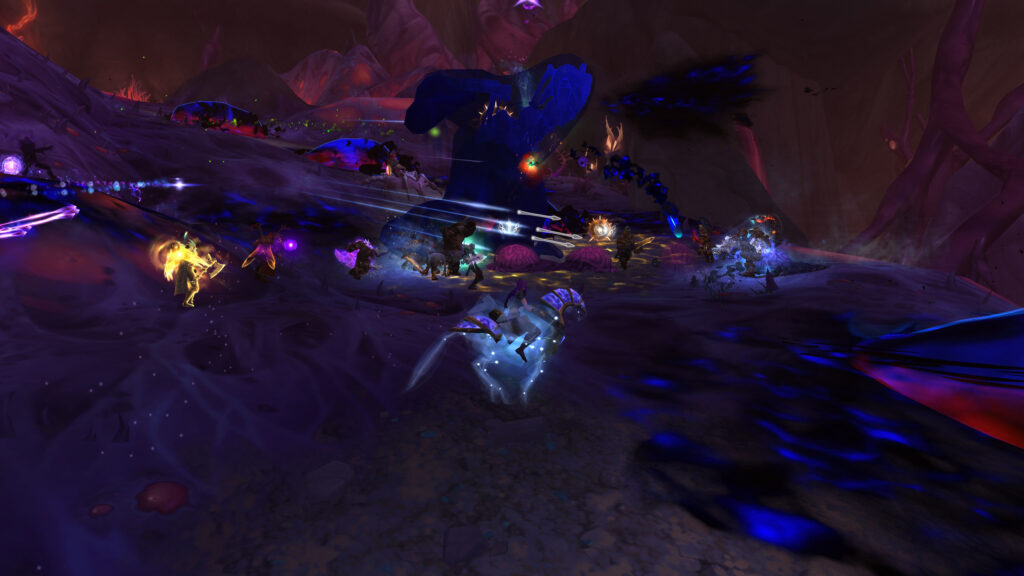
Inefficient movement not only wastes time but also stresses structural components:
| Movement Failure | Sprawling Displacement Consequence | Impact on Raid |
|---|---|---|
| Slow or scattered movement to a new anchor. | Healers lose LOS to a fraction of the raid stack. | Healing gaps lead to **Unnecessary Damage** spikes. |
| Tank fails to hold the stack. | Mobs spread out, reducing DPS cleave efficiency. | Slow TTK; missed **Time Management Awareness** deadlines. |
| Crossing paths during retreat. | Players with debuffs inadvertently spread the effect to others. | Causes **Destructive Chain Reactions**. |
Conclusion
The Efficiency of Group Movement is the essential Time Saver for any progression group. By enforcing synchronized, minimal repositioning, teams achieve Tight Clustering, maximizing damage output and maintaining healing integrity. This discipline prevents the resource waste and structural instability associated with Sprawling Displacement.